Afgelopen maand heeft het Hof Den Haag een uitspraak gewezen in een zaak van een autoverhuurder tegen één van haar huurders. De achterneef van de betreffende huurder had plaatsgenomen achter het stuur van de huurauto en heeft daarbij een ernstig ongeval veroorzaakt. De verhuurder stelde zowel de huurder als de achterneef aansprakelijk voor de schade aan de gehuurde auto. Komt een huurder in dit geval een beroep op overmacht toe of moet hij voor de volledige schade aan de auto – veroorzaakt door zijn achterneef – opdraaien?
Relevante feiten en omstandigheden
De autoverhuurder heeft aan de huurder een Ford personenauto verhuurd. In de overeenkomst is een eigen risico opgenomen van EUR 300,- per schadegeval. Ook staat in de overeenkomst vermeld: “De tarieven zijn inclusief verzekering”. Op de overeenkomst zijn de algemene verhuurvoorwaarden van BOVAG van toepassing.
De huurder mocht op basis van deze voorwaarden de auto niet zomaar uitlenen of ter beschikking stellen aan een derde. Op het moment dat hij dit zonder overleg met de verhuurder wél zou doen, dan geldt het maximale eigen risico van EUR 300,- niet en dient er volledig afgerekend te worden – aldus de voorwaarden.
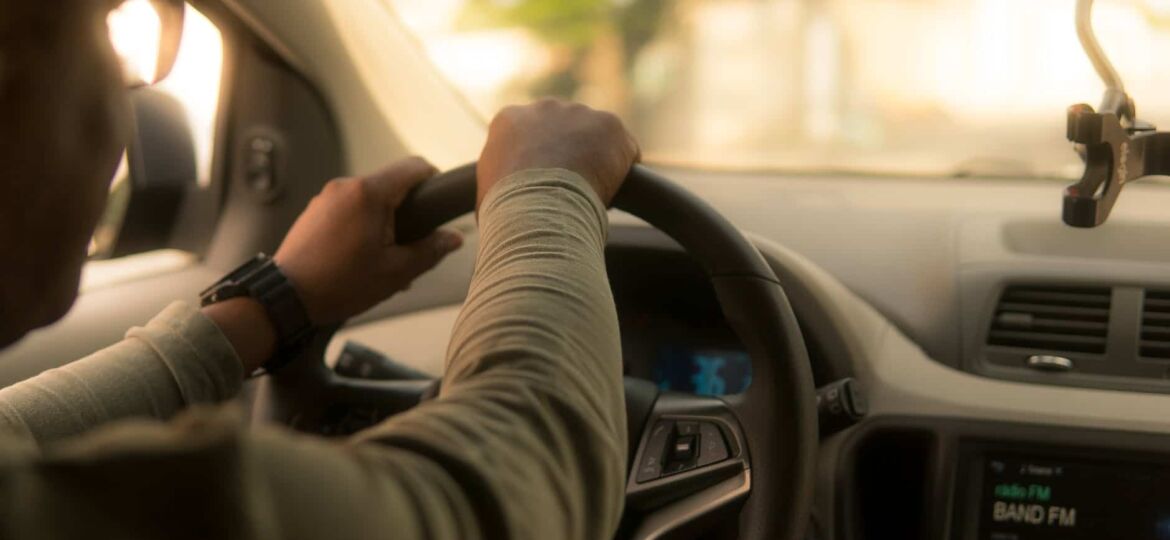
Onder onduidelijk gebleven omstandigheden is de achterneef van de huurder (toch) achter het stuur van de Ford gekropen, zonder dat hij in bezit was van een geldig rijbewijs. Ook was hij niet als (mede)huurder of bestuurder vermeld op het huurcontract. De achterneef heeft daarbij een ernstig ongeluk veroorzaakt, met grote schade tot gevolg.
De verhuurder heeft bij de rechtbank gevorderd om de huurder en zijn achterneef te veroordelen tot betaling van de schade aan de Ford van EUR 16.769,64, vermeerderd met de wettelijke rente.
Hoger beroep
De rechtbank oordeelde – kort gezegd – dat niet vast is komen te staan dat de huurder een beroep op overmacht toekomt en dat de huurder in strijd met de voorwaarden heeft gehandeld door de auto na de huurperiode niet op ongeschonden wijze in te leveren. De rechtbank veroordeelde de huurder en zijn achterneef ieder (hoofdelijk) tot vergoeding van de gevorderde schade.
De huurder en zijn achterneef zijn in hoger beroep gegaan en stellen (onder meer) dat onvoldoende was gebleken dat de huurder de Ford ter beschikking had gesteld aan de achterneef. De huurder stelt dat de achterneef de sleutel zonder zijn toestemming heeft meegenomen en dat hem niets verweten kan worden. Huurder doet daarmee een beroep op overmacht.
Het Hof volgt de huurder niet in zijn betoog en merkt in dat kader op dat het verbod een ander dan de huurder de auto te laten besturen niet alleen beperkt is tot de situatie dat de huurder de auto aan een derde ter beschikking stelt, maar dit ook geldt voor iedere bestuurder die niet als zodanig en/of als huurder in de overeenkomst aangeduid is.
Ook merkt het Hof met betrekking tot het beroep op overmacht op dat de bewijslast hiervan bij de huurder ligt. De huurder heeft met betrekking tot deze bewijslast een eigen (partij)verklaring, de verklaring van zijn ex-partner en de verklaringen van zijn twee dochters overgelegd. Het Hof oordeelde dat dit bewijs niet zodanig sterk is en dat dit bewijs niet zodanig essentiële punten bevat dat zij de (partij)verklaring van de huurder – namelijk dat achterneef de sleutels van de Ford en de Ford zonder zijn toestemming en medeweten heeft meegenomen – voldoende geloofwaardig maken. Het Hof oordeelde dat de huurder niet in zijn bewijsopdracht geslaagd is.
Kortom, nu de huurder geen beroep op overmacht toekomt, volgt uit de algemene verhuurvoorwaarden dat de aansprakelijkheid van huurder niet beperkt is tot het in de overeenkomst afgesproken eigen risico van EUR 300,-, maar dat hij in volledig aansprakelijk is voor de schade van verhuurder.
Ook het betoog van de huurder dat geadverteerd werd dat de overeenkomst ‘inclusief verzekering’ was, maakt volgens het Hof niet dat de verhuurder voor meer dan WA verzekerd hoefde te zijn. Huurder komt in verband met het feit dat er géén allriskverzekering afgesloten was door de verhuurder dan ook geen beroep op eigen schuld toe. Tot slot wordt de vergelijking met de situatie waarbij er sprake is van diefstal en waarbij de huurder in principe alleen het eigen risico verschuldigd is, door het Hof gepasseerd.
Concluderend
Deze uitspraak maakt duidelijk dat het uitkijken is wie je tijdens vakantie in een door jou gehuurde huurauto laat rijden nu dat een huurder niet snel een beroep op overmacht toekomt als de autosleutel van een huurauto meegenomen wordt. Dit is slechts anders in het geval (over)duidelijk sprake is van diefstal. Zorg er dan ook altijd voor dat als je een auto huurt en iedereen die gaat rijden ook opgenomen staat in de huurovereenkomst. Last but not least, zorg dat je in alle gevallen zorgvuldig met je huurauto(sleutel) omgaat, anders kan de huur van een huurauto een dure aangelegenheid worden.